A portrait shaped by cities and climate
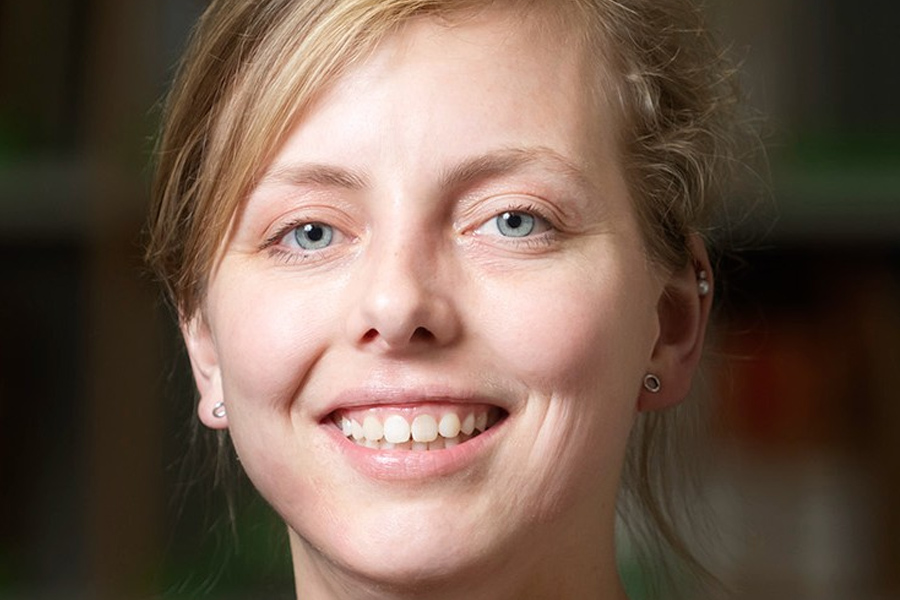
When I think of Miriam Waltz, I picture an architect with sand on her shoes and maps in her mind, moving between street corners and seminar rooms with equal ease. Born in the early 1980s and now based in Tel Aviv, she has carved out a niche at the intersection of urban design, sustainability, and climate conversations. Her work does not shout. It accumulates. It listens. It builds.
I first encountered her through projects that treat cities like living organisms. The urban realm, for Miriam, is a chorus of ten billion voices, some loud and many whispering. She has taught, consulted, and designed with a steady focus on resilience. She lectures at Shamoon College of Engineering. She founded Studio Itouf in Tel Aviv. She has collaborated with green-tech outfits and municipal actors. It is the kind of portfolio that grows by layering ideas rather than chasing headlines.
Family threads in a creative tapestry
Miriam’s family history reads like a backstage pass to European theater and modern film, stitched with Jewish heritage and cross-continental moves. Her father is actor Christoph Waltz, born in Vienna, acclaimed worldwide for roles that transformed screen villains into complex human riddles. Her mother, Jackie, is an American Jewish psychotherapist whose professional path brought an intimate understanding of people and their inner worlds. The pairing explains a lot. The home life was artistic and observant, reflective and spirited. A blend of stage lights and Shabbat candles.
On the paternal side, Miriam’s lineage is steeped in theater. Her grandfather, Johannes Waltz, was a set designer. Her grandmother, Elisabeth Urbancic, worked in costume design with roots in Austria and Slovenia. Those two disciplines merge in architecture. Sets teach spatial storytelling. Costumes teach material honesty and movement. Somewhere between them sits an architect’s craft.
Further back, the family reaches into psychology and performance again. Rudolf von Urban wrote about relationships and intimacy. Maria Mayen performed at Vienna’s Burgtheater. This is a family where scripts and clinics exist in the same breath, where the inner life and public stage have long shared a wall.
There is also a modern branch. After Christoph and Jackie divorced, he married costume designer Judith Holste. Together they have a daughter. Miriam’s siblings include Leon, who pursued rabbinical studies and has close ties to religious leadership in Vienna and Israel, and Rachel, the youngest, who stays out of the limelight. The atmosphere around Miriam is caring and private. Fame brushes against the family now and then, but they seem to favor small, meaningful circles.
A life in Israel
Miriam made aliyah after time in London, Basel, and New York. She married Pinchas in 2013 in an Orthodox Jewish ceremony in Jerusalem, a moment that drew wider attention mostly because of her father’s presence. The personal details are scarce by design. It fits a pattern. She is public when it serves her work and discreet when it comes to home.
Tel Aviv suits her. The city is kinetic and layered, the kind of place where climate, commerce, and culture collide every day. It is a testing ground for urban sustainability, and Miriam places herself in that friction with curiosity rather than grand gestures.
Work that listens and builds
Miriam’s professional arc has a quiet momentum. Teaching keeps her connected to emerging thinkers. Consulting allows her to translate ideas into systems. Studio Itouf acts as a nerve center for projects that thread urbanism with ecology. A recurring motif is participation. Cities are not projects delivered to residents. They are places co-created with them.
Her initiative Ten Billion Voices captures this ethic. Think of it as a platform for urban reflection and action, where the massive scale of global urbanization is confronted with local voices and practical designs. She has also engaged with Vertical Field, focusing on green architecture and urban agriculture, which turns walls and rooftops into productive landscapes. I appreciate the humility of this kind of work. It measures success not in spectacle but in shade, in air quality, in small daily conveniences.
In late 2025, Miriam’s climate-focused trajectory appeared again with a co-winning of the Leiden University Global Seed Fund for Climate Talks alongside anthropologist Sara de Wit. The project puts architecture in conversation with anthropology, inviting citizens to speak about climate stress and future pathways. Interdisciplinary by nature and grounded by civic dialogues, it is the right kind of hybrid for a century defined by environmental complexity.
Public presence, private contours
For all her activity, Miriam maintains a light footprint online. A LinkedIn profile, occasional interviews, a few creative platforms. No dramatic threads. No gossip. When media does mention her, it is typically in the orbit of family milestones or professional announcements. This restraint is refreshing. The work remains the focus.
A timeline sketched in cities
- Born in the early 1980s in a household shaped by art and psychology
- Studies architecture, with early hints of New York ties and global mobility
- Professional experiences across London, Basel, and New York
- Aliyah to Israel and marriage in 2013 in Jerusalem
- Founding of Studio Itouf and lecturing roles in the 2010s
- Ongoing consulting in sustainable urbanism and green architecture
- Public writings and interviews that mix urban design with lived narratives
- 2025 recognition through a seed fund for Climate Talks, bridging disciplines
The family constellation in brief
I tend to see families as constellations rather than trees. Each star burns with a different intensity, and the shape only emerges when you connect them.
- Christoph Waltz, Miriam’s father, is the bright star most people recognize. Austrian born, globally acclaimed, with a later-life dual presence in Europe and the United States. Professional mastery balanced by a personal life that values privacy.
- Jackie Waltz, Miriam’s mother, brings an American Jewish lens and the therapeutic arts. Where Christoph explores human motives on screen, Jackie works with them in real life.
- Leon and Rachel, Miriam’s siblings, keep close to tradition and community. Leon’s rabbinical pursuits paint a steady line through the family’s observant experience.
- Judith Holste, Miriam’s stepmother, and a younger half-sister extend the modern branch. Another link to costume and design. Another reminder that the Waltz family often builds things seen and felt rather than loudly declared.
- The grandparents and great-grandparents add the older light. Set design, costume craft, psychology, theater. A palette that quietly informs how Miriam designs spaces today.
FAQ
Is Miriam Waltz related to Christoph Waltz?
Yes. Miriam is the eldest daughter of actor Christoph Waltz and psychotherapist Jackie Waltz. Her family connects to both European theater traditions and Jewish heritage that spans the United States and Israel.
What does Miriam Waltz do professionally?
She is an architect focused on urban design, sustainability, and climate-related initiatives. She founded Studio Itouf in Tel Aviv, lectures at Shamoon College of Engineering, and collaborates with partners in green architecture and city planning.
Where does she live now?
She resides in Tel Aviv, Israel. After studying and working in cities such as London, Basel, and New York, she made aliyah and built her practice and community in Israel.
Is Miriam active on social media?
Her online presence is modest and professional. You can find work-related profiles and occasional project mentions, but she keeps personal life largely offline.
Has she been involved in any controversies?
No substantial controversies have surfaced around her. Mentions in the press typically relate to her professional endeavors or family milestones, like her 2013 wedding in Jerusalem.
How does her Jewish heritage influence her life and work?
Jewish observance and community ties run through her story. Miriam’s move to Israel, her Orthodox wedding, and her siblings’ religious paths reflect a lived heritage that intersects with her urban and environmental focus. The result is design work attentive to community rhythms and everyday needs.
Did she win a recent grant or award?
In November 2025, Miriam co-won a Leiden University Global Seed Fund for a project called Climate Talks with collaborator Sara de Wit. The project blends architecture and anthropology to foster local dialogues about climate realities and adaptive futures.
Who is Miriam’s spouse?
Her husband is Pinchas. They married in 2013 in an Orthodox ceremony in Jerusalem. Beyond that, details are discreet, consistent with Miriam’s preference to keep personal matters private.