A beginning in steel country
I picture the sound of freight and furnace when I think about Ted Karras Sr., because his story begins in Gary, Indiana, a city forged by industry and perseverance. He came from a household where hard work was not a slogan, it was breakfast. His father, Dr. George Karras, practiced medicine, and his mother, Emmeline, was a nurse who carried a steady grace into a bustling home of talented sons. In that home, the language was effort, the music was teamwork, and the horizon was wide.
Ted grew up alongside brothers who would become athletic landmarks in their own right. Lou Karras, older and formidable, carved out his path through Purdue and into the NFL. Alex Karras, charismatic and volcanic, became a Detroit Lions legend and later a household name in film and television. Between those poles of achievement, Ted found his own center, marked by humility, grit, and a lasting commitment to the people around him.
College days and a ticket to the pros
It takes more than size to be an offensive lineman. You need footwork like chess and a temperament like granite. Ted developed those tools at Indiana University, refining the craft that would carry him to Sundays. He entered the NFL in 1958 and stayed there for nine seasons, cycling through teams that valued his toughness and versatility. Pittsburgh Steelers. Chicago Bears. Detroit Lions. Los Angeles Rams. Codas to chapters, and each chapter stamped with the same signature of reliability.
He played 108 games and started 88, significant numbers in an era when the league was leaner and the trenches were unforgiving. He lined up at guard, tackle, occasionally even linebacker, plugging into whatever gap needed steadiness. Coaches trusted him. Teammates leaned on him. He was not a headline chaser. He was a pillar.
The 1963 championship and the left guard’s lens
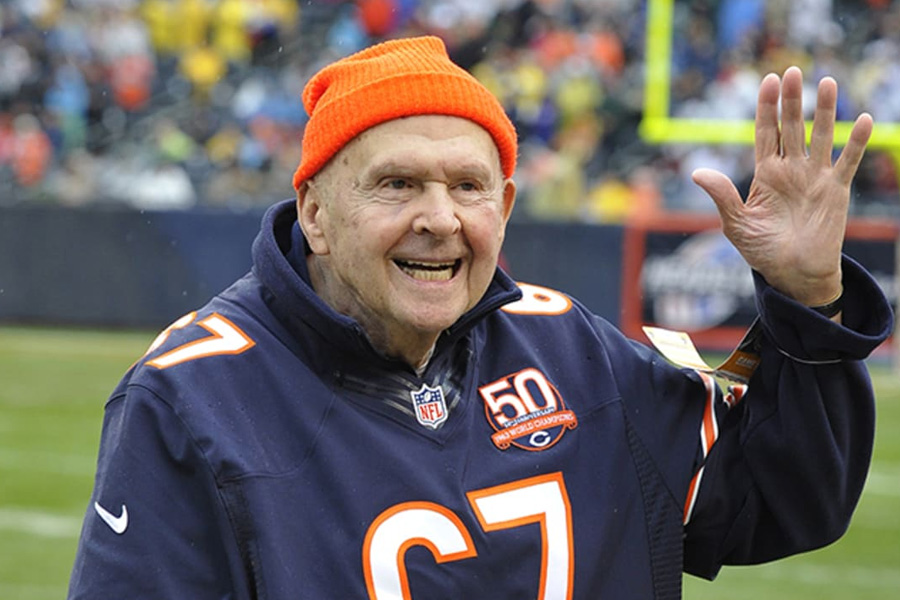
Some at-bats define a batter. Some Sundays define a lineman. For Ted, 1963 was a year that sealed his name in a proud Chicago album. As the starting left guard for the Bears, he helped pave a title path built on defense and control of the line of scrimmage. The season culminated in an NFL Championship, the kind of ring that glints differently when you know how much blocking and bruising it took to earn it. I like to imagine the view from left guard at Wrigley Field that year. The snap. The surge. The subtle violence of leverage and footwork. The satisfaction of a drive well built.
After football, a life of service
When the cheering fades, the measure of a person is the voice they carry in quieter rooms. Ted Karras Sr. returned to northwest Indiana and put his shoulder behind people. He taught and coached in Hammond public schools, mentoring young athletes who needed that precise blend of discipline and encouragement. He served on the Gary City Council for much of the 1970s, centering practical concerns and local needs over spotlight politics. He worked in real estate, helped programs at area schools, and even performed in local musical theater. If that seems eclectic, it was. Community life rarely fits neatly on a resume. Ted moved where he was needed.
I often find the most revealing detail in the ordinary. The coach who unlocks a student’s confidence. The neighbor who volunteers to put chairs away after a long night. The city councilman who returns calls and shows up. Ted did those things. Quietly. Consistently.
The Karras family tree
The branches of the Karras family are strong and thick, and they bear familiar fruit. Lou, the elder brother, an NFL veteran in Washington. Alex, the younger brother, a star in Detroit and later a star on screens. Ted sits almost like a bridge between them, a connector who affirms the family’s shared roots.
Ted’s wife, Anna, stood with him across the years. Together they raised three sons into the same rhythm of football and community. Ted Karras Jr. played at Northwestern, coached at multiple levels, and carved a career defined by mentoring and team building. Tony and Jeff carried forward the family’s love of football and local engagement. Families are not just famous names, they are the ties and rituals that hold together the days.
A lineage that reaches Sundays today
The thread continues into the present through Ted’s grandson, Ted Karras III. He brought the family’s trench-warfare ethos to Illinois, then into the NFL, winning championships in New England and later anchoring lines in Cincinnati. Whenever he steps onto the field, you can catch a line running backward to a Chicago winter in 1963 and farther back still to the high schools and playgrounds of Gary. If football is a family trade, then the Karras line is a masterclass in continuity.
I find something satisfying in that long arc. It is the feeling of seeing the same craft honed across time as if father and son shared the same playbook without ever needing to write it down.
Personality, presence, and what lingers
Ted Karras Sr. was noted for his reliability and kindness. He preferred the bleachers to the spotlight as a former pro. His bones buzzed with the old line play, but he focused on others. A mentor. Civic neighbor. He was kind, thoughtful, and reliable.
He passed away in 2016 at the age of 81, surrounded by family. The remembrances that followed emphasized what he built as much as what he won. Championship rings fade into velvet boxes. Communities keep talking, keep shaping their days around the legacies of those who cared.
How the story fits together
If I chart the Karras story, it looks like a sturdy tree rooted in immigrant grit and medical compassion, branching through three brothers into NFL history, then growing new limbs through coaching, teaching, and a fresh generation of linemen. It is a family that learned how to anchor the line and how to anchor a neighborhood. In football, the best lines bend aggression into order. In life, the best families bend ambition into service. Ted Karras Sr. stood at the junction where both crafts meet.
FAQ
Who is Ted Karras Sr.?
NFL offensive lineman Ted Karras Sr. played nine seasons, including as the starting left guard for the 1963 Chicago Bears championship squad. After playing, he taught, coached, ran for office, and participated in northwest Indiana community life.
Which NFL teams did he play for?
He played for the Pittsburgh Steelers, Chicago Bears, Detroit Lions, and Los Angeles Rams. Across those seasons, he appeared in over a hundred games and started the vast majority of them.
How is he related to Alex Karras and Lou Karras?
Alex Karras and Lou Karras were his brothers. Lou played for Washington in the NFL. Alex became a Detroit Lions star and later a well known actor. The three brothers together form one of football’s memorable family trios.
Who are his children?
He and his wife Anna raised three sons. Ted Karras Jr. played at Northwestern and built a coaching career. Tony and Jeff continued the family’s engagement with football and the local community.
Is Ted Karras III his grandson?
Yes. Ted Karras III is the third generation, a professional offensive lineman who played at Illinois and in the NFL for multiple teams. He is often cited as carrying forward the Karras family legacy on the offensive line.
What did Ted Karras Sr. do after his NFL career?
He returned to Indiana, became a teacher and high school coach, served on the Gary City Council in the 1970s, worked in real estate, and participated in local arts and athletics programs. His post football life focused on service and mentorship.
Was he involved in any major controversies?
No. Public accounts of his life focus on athletics, coaching, and civic service. He was not a figure of tabloid drama and is remembered for steadiness and community minded work.