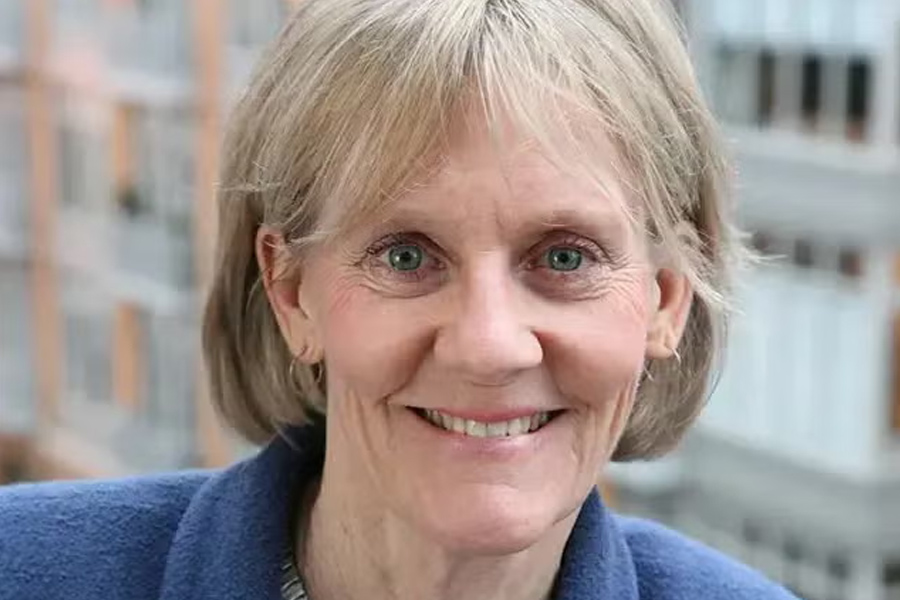
A career built on cities, homes, and stubborn purpose
I see Elinor Bacon as the kind of person who works where policy meets pavement. Her name appears in the world of housing, redevelopment, historic preservation, and urban renewal, but the shape of her story is larger than a résumé. She built a career in the hard middle ground of city life, where old buildings, public budgets, and human need collide like weather fronts. That is where she spent her energy.
Her professional path moved through Baltimore, Washington, and national housing work. She began in housing inspection and rehabilitation, which already says a lot about her instincts. That kind of work is close to the ground. It means seeing leaks, crumbling walls, and practical fixes before anyone gets to grand vision. From there, she rose into policy leadership at the federal level and later into private development, where vision had to be matched with financing, permits, design, and long timelines. Her career has the feel of a bridge, spanning public service and private enterprise.
I think that is part of what makes her notable. She did not stay in one lane. She moved from fieldwork to leadership, from administration to development, from the language of regulation to the language of place. Her work reflects a belief that neighborhoods can be repaired, not just managed.
Early life and education shaped by a large, influential family
Elinor Bacon belongs to a family that is itself a kind of American urban story. She is the daughter of Edmund Norwood Bacon and Ruth Hilda Holmes. That fact matters because family heritage often leaves fingerprints on a person’s values. In her case, the influence appears to have been real and lasting.
Her father, Edmund Bacon, was a major urban planner whose name is strongly tied to Philadelphia and mid century city design. A father like that does not merely shape a home. He shapes dinner conversations, expectations, and the way one sees streets, buildings, and the lives inside them. Her mother, Ruth Hilda Holmes, was a teacher. That combination often produces a useful tension: planning from one side, discipline and learning from the other. I would describe it as architecture and schooling sharing the same table.
Elinor’s grandparents connect her to two family lines. On her father’s side are Ellis Williams Bacon and Helen Atkinson Comly. On her mother’s side are Artemas Holmes and Dorothy Francis Smith. Those names place her inside a deeper lineage, one that stretches across generations rather than stopping at her own achievements. The family tree also points farther back to Thomas Pryor Bacon on the Bacon line and Artemas Henry Holmes on the Holmes line. This is not just ancestry. It is a rooted system, like an old tree with several broad trunks feeding the same canopy.
Her siblings include Michael Bacon, Kevin Bacon, Hilda Bacon, Karin Bacon, and Kira Bacon. Michael Bacon became known as a composer and musician. Kevin Bacon became a widely recognized actor. Hilda, Karin, and Kira also belong to the same family circle that surrounded Elinor as she built her own life and work. The family is notable not because it is famous in one neat direction, but because its members moved into different fields and still remained part of the same long story.
A professional life centered on housing and redevelopment
Behind the variety, Elinor Bacon’s work is consistent. Over years in housing and development, she focused on communities that needed restoration, investment, and patience. Patience matters. Despite its glamour, real estate development is a long engine room operation. Deals stall. Plan changes. Local politics change like sand. Public funds must be handled responsibly. Each improvement must survive paperwork and reality.
Her federal position was Deputy Assistant Secretary for Public Housing Investments at HUD from 1997 to 2000. She managed billion-dollar public housing capital programs like HOPE VI. It takes precision and nerve to handle such task. I picture guiding a ship through a harbor full with rocks and weather warnings. One mistake might affect thousands of households.
In 2001, she became the first president and CEO of NCRC. She was involved in urban regeneration in the nation’s capital. Later in 2002, she created E.R. Bacon Development, LLC to specialize in urban infill, mixed income housing, mixed use development, and adaptive reuse. Her firm participated in waterfront redevelopment in Washington. Her influence is most evident at the Wharf. These are major interventions. They change travel, shopping, living, and working.
Her earlier Baltimore work mattered. Years of leading Bacon and Company and working in rehabilitation and subsidy-based home improvement. A steady accumulating career is suggested. She did not appear and disappear. Over time, she built like brickwork in a repaired facade.
Recognition, finance, and work achievements
When I look at Elinor Bacon’s achievements, I see both scale and specificity. The scale is financial and civic. The specificity is human and architectural. She worked with large public budgets, helped guide programs worth billions, and contributed to developments with long lasting neighborhood effects. But she also worked in the quieter space where one building at a time can shift the feel of a block.
Her finance related responsibilities were substantial. During her HUD years, she helped administer HOPE VI and other public housing capital programs, which placed her near major federal investment decisions. In development, she participated in projects that required assembling capital, negotiating partnerships, and coordinating with public and private stakeholders. That is a demanding blend. Money in this world is never only money. It is also leverage, risk, and timing.
She also received recognition for her contributions. She was honored by the Seaside Institute as a Seaside Prize recipient and received the Glenn Brown Award in 2017. Those honors suggest that people in planning, architecture, and civic development saw her as more than a manager. They saw her as someone who influenced the quality of places and the conversation about how cities should grow.
I also notice her interest in the relationship between housing and dignity. Her work has never read to me as purely technical. It has the texture of belief. She appears to have understood that public housing and urban redevelopment are not abstract systems. They are lived environments. They affect mornings, school routes, safety, and neighborhood identity. That is the real ledger.
Family members and the wider Bacon story
The world Elinor Bacon came from can be explained by her family.
Edmund Norwood Bacon, her father, was a city planner who influenced midcentury urbanism. He was more than a parent. His prominence in planning circles undoubtedly offered Elinor a detailed look at how cities are conceptualized from above and experienced from below.
Teacher Ruth Hilda Holmes was her mother. Teachers typically make households that respect learning and language. That kind of household may focus and inspire kids.
Her brother Michael Bacon composed and played. While city planning and composition are different, both require organization, rhythm, and time. Her brother Kevin Bacon became an actor and public figure, raising the family name in a different light. Hilda, Karin, and Kira Bacon are her sisters. They create a famous, private, and deeply rooted family.
Ellis Williams Bacon and Helen Atkinson Comly are her paternal grandparents. Artemas Holmes and Dorothy Francis Smith are the maternal Holmeses. The older generation broadens the family. I remember that no life begins at the first headline. Early builders erected the stairs where everyone stands.
FAQ
Who is Elinor Bacon?
Elinor Bacon is a housing and redevelopment leader known for work in public housing policy, urban revitalization, and private development. She moved between government and development practice and helped shape major projects in Baltimore and Washington.
What is Elinor Bacon known for professionally?
She is known for leadership roles at HUD, for founding E.R. Bacon Development, and for work on urban infill, mixed income housing, mixed use development, and adaptive reuse. Her career combines policy, finance, and built environment work.
Who are Elinor Bacon’s parents?
Her parents are Edmund Norwood Bacon and Ruth Hilda Holmes. Her father was a prominent planner, and her mother was a teacher.
Who are Elinor Bacon’s siblings?
Her siblings are Michael Bacon, Kevin Bacon, Hilda Bacon, Karin Bacon, and Kira Bacon. They each belong to the same family line but followed different life paths.
Who are Elinor Bacon’s grandparents?
On her father’s side, her grandparents are Ellis Williams Bacon and Helen Atkinson Comly. On her mother’s side, her grandparents are Artemas Holmes and Dorothy Francis Smith.
Did Elinor Bacon work in public service?
Yes. She served as Deputy Assistant Secretary for Public Housing Investments at HUD from 1997 to 2000 and later led the National Capital Revitalization Corporation.
What kind of development work did she do?
She focused on urban redevelopment, affordable housing, mixed income projects, and adaptive reuse. Her work connected public purpose with private delivery.
Is Elinor Bacon part of the same Bacon family as Kevin Bacon?
Yes. Kevin Bacon is one of her siblings, and they are part of the same family that includes several notable members across different fields.